


More is better – at least when it comes to collagen supplementation.
Lee and colleagues investigated the influence of different collagen dosages on collagen synthesis after intensive resistance training. It is already known that resistance training stimulates collagen synthesis – but can the additional intake of collagen enhance this effect?
The study protocol: Four sets of squats!
The subjects, all young men with training experience, took either a placebo or 15g or 30g of hydrolyzed collagen and started lifting weights an hour later. After completing four sets of barbell squats with 10 repetitions each (10 repetitions maximum), the test subjects… err… study participants were allowed to rest for 6 hours while the scientists took several blood samples from them during this time.
The markers examined: Warning, technical jargon!
The concentrations of two markers for collagen synthesis and collagen degradation, PINP and β-CTX, were determined in the blood. For those who want the specifics, these abbreviations stand for procollagen type I N-terminal propeptide and β-isomerized C-terminal telopeptide of type I collagen.
PINP is a peptide that is cleaved from procollagen (the precursor) during collagen formation. Higher levels of PINP in the serum indicate increased collagen production. β-CTX is a marker for collagen degradation. As in our muscles, collagen synthesis and breakdown processes are in constant competition. If collagen synthesis exceeds collagen breakdown, the tendons become thicker and denser.
Conclusion: More is better!
The study result was clear: The highest collagen dose of 30 g resulted in a significantly higher PINP concentration in the blood serum than the other two interventions, while all three interventions (strength training + 0 g, 15 g, 30 g collagen) were able to reduce collagen degradation equally.
As expected, ingesting 30 g of collagen resulted in the highest blood concentrations of amino acids relevant for collagen synthesis, such as glycine and proline. The authors conclude that the amount of amino acids ingested appears to play an important role in optimizing collagen synthesis.
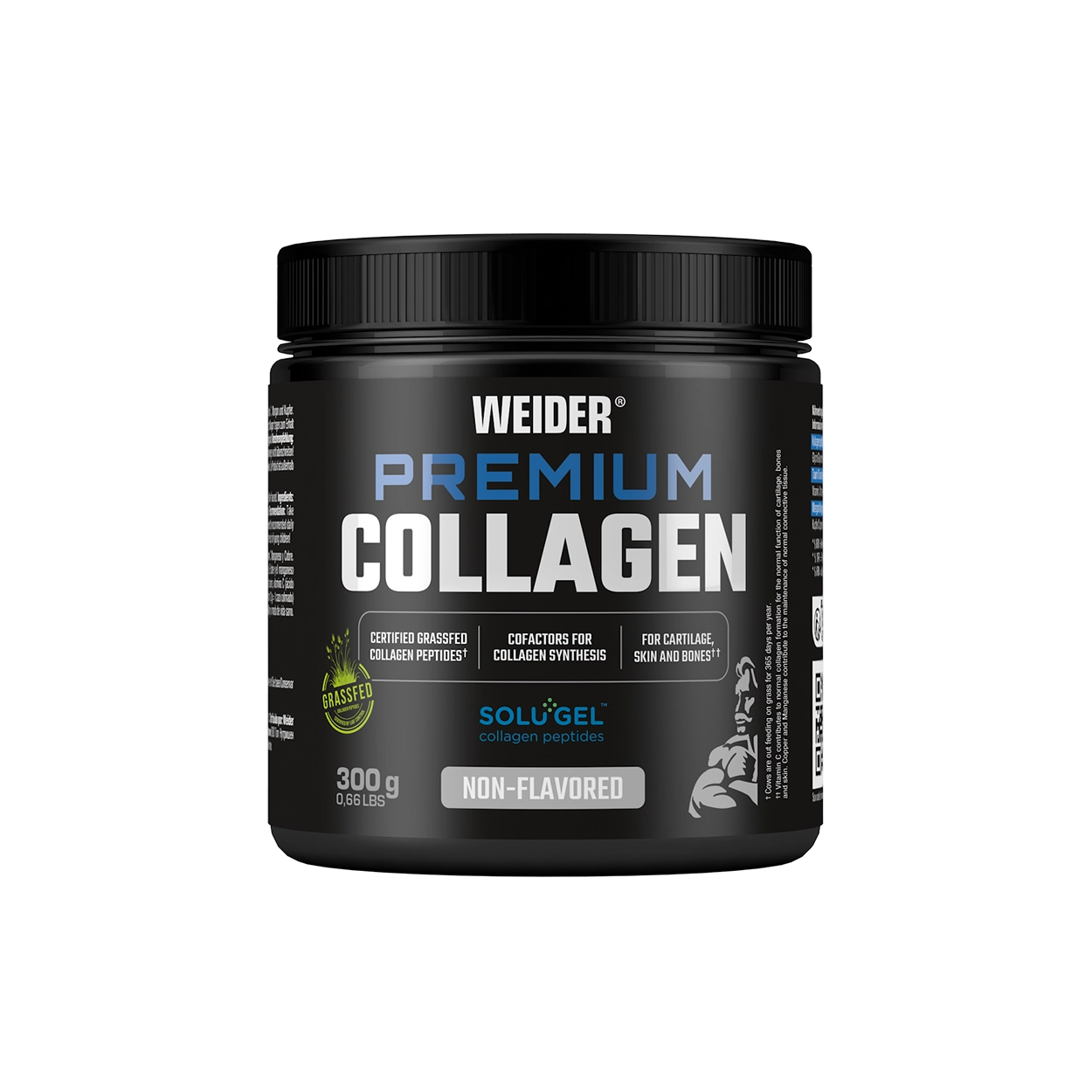
This observation aligns with that of de Paz-Lugo and colleagues from 2018. The authors treated cartilage cells with glycine and found that this significantly increased collagen synthesis (compared to treatment with other amino acids). Since glycine is by far the most abundant amino acid in collagen, this connection isn't entirely illogical. We actually considered this when formulating our Premium Collagen Powder. In addition to the highest quality Solugel® collagen peptides, it also contains free glycine, as well as the important cofactors vitamin C, copper, and manganese.
Do you regularly take collagen powder to benefit your tendons? If not, you should at least consider it.




Share:
Optimal recovery after training: Scientifically proven recommendations for rapid recovery
6 Mental Hacks for Tough Days: How to Stay Strong When Everything Gets Difficult